
 中文简体
中文简体

Product Consultation
Your email address will not be published. Required fields are marked *
Content
The direct answer is straightforward: non latex gloves made from nitrile, vinyl, or neoprene are the recommended alternative whenever latex allergy risk, chemical exposure, or odor sensitivity is a concern, because they eliminate the natural rubber proteins that trigger Type I latex allergic reactions while still providing comparable barrier protection, tactile sensitivity, and durability. Hospitals, food processing plants, tattoo studios, automotive shops, and cleaning service companies have steadily shifted procurement budgets toward non latex gloves over the past decade, and this shift is not a marketing trend but a response to documented health outcomes and workplace incident reports.
Latex gloves were the dominant choice for decades because natural rubber latex offered excellent elasticity, a snug fit, and low material cost. However, the proteins found in natural rubber latex can cause skin irritation, contact dermatitis, or in more severe cases, systemic allergic reactions including respiratory difficulty. Once an individual becomes sensitized to latex proteins, repeated exposure tends to worsen symptoms over time, which is why many facilities now adopt a blanket non latex gloves policy rather than handling allergy cases on an individual basis.
There are three primary materials used to manufacture non latex gloves, and each one serves a different purpose depending on the task at hand. Choosing the wrong material can lead to premature glove failure, reduced grip, or insufficient chemical resistance, so understanding these differences is the first step toward smarter purchasing decisions.
Nitrile is a synthetic copolymer made from acrylonitrile and butadiene. It has become the most popular substitute for latex gloves because it closely mimics the stretch and feel of natural rubber while resisting punctures roughly three times better according to material testing conducted by several glove manufacturers. Nitrile gloves are also resistant to many oils, solvents, and chemicals, which makes them a preferred choice in automotive repair, laboratory work, and industrial cleaning.
Vinyl gloves are made from polyvinyl chloride (PVC) and are typically the most budget-friendly option among non latex gloves. They are loose-fitting, which makes them easy to put on and take off quickly, and they work well for short-duration, low-risk tasks such as food handling, basic cleaning, or single-use applications in food service settings. Vinyl gloves generally offer less elasticity and a shorter shelf life compared to nitrile, and they tend to tear more easily under stress.
Neoprene gloves are synthetic rubber gloves that provide a balance between the flexibility of latex and the chemical resistance of nitrile. They are often chosen for tasks involving exposure to acids, bases, alcohols, and other aggressive chemicals where both dexterity and protection are required. Neoprene tends to be priced higher than nitrile or vinyl, so it is usually reserved for specialized chemical handling rather than general-purpose use.
The table below summarizes the practical differences between nitrile, vinyl, and neoprene non latex gloves across the factors that matter most to buyers: cost, fit, chemical resistance, and best use case.
| Material | Relative Cost | Fit and Stretch | Chemical Resistance | Best For |
|---|---|---|---|---|
| Nitrile | Moderate | Snug, elastic | High | Medical, automotive, labs |
| Vinyl | Low | Loose, low stretch | Low to moderate | Food service, light cleaning |
| Neoprene | High | Flexible, latex-like | Very high | Industrial chemical handling |
Latex allergy develops when the immune system reacts to proteins present in natural rubber latex. Symptoms range from mild skin redness and itching to hives, runny nose, watery eyes, and in rare but serious cases, anaphylaxis. Healthcare workers are among the populations most affected because of repeated daily exposure to latex gloves over many years, and occupational health surveys have repeatedly identified glove use as a major contributing factor to latex sensitization among nurses, dentists, and lab technicians.
Once sensitized, an individual may also experience cross-reactivity with certain foods such as bananas, avocados, kiwis, and chestnuts, a phenomenon known as latex-fruit syndrome. This is one of the reasons why switching to non latex gloves is often recommended not just for the wearer but for anyone nearby, since latex proteins can become airborne when powdered latex gloves are removed, potentially affecting coworkers or patients with existing sensitivities.
While latex gloves are still used in some settings, a growing number of industries have adopted non latex gloves as their default purchasing standard. This shift is driven by both employee health protection and operational practicality.
Hospitals and dental offices were among the earliest adopters of non latex gloves due to the high prevalence of latex allergy among both staff and patients. Nitrile gloves are now widely used for examinations, surgical prep, and general patient care because they offer similar tactile feedback to latex while removing the allergy risk entirely.
Food handlers frequently use vinyl or nitrile non latex gloves because these materials do not carry the same protein contamination concerns as latex, and they hold up well during repetitive tasks like food prep, packaging, and cleaning. Many food safety guidelines now explicitly recommend non latex gloves to avoid any chance of latex protein transferring to food products.
Mechanics and industrial maintenance workers rely heavily on nitrile gloves because of their resistance to oils, greases, and solvents. Latex gloves degrade quickly when exposed to petroleum-based products, while nitrile maintains its integrity for much longer under the same conditions, reducing glove replacement frequency and overall cost over time.
Tattoo artists, estheticians, and salon workers often choose non latex gloves both for client safety and personal comfort during long shifts. Nitrile gloves in particular are popular in this space because of their snug fit, which is important for precision work, combined with the elimination of latex allergy concerns that could otherwise affect clients during sensitive procedures.
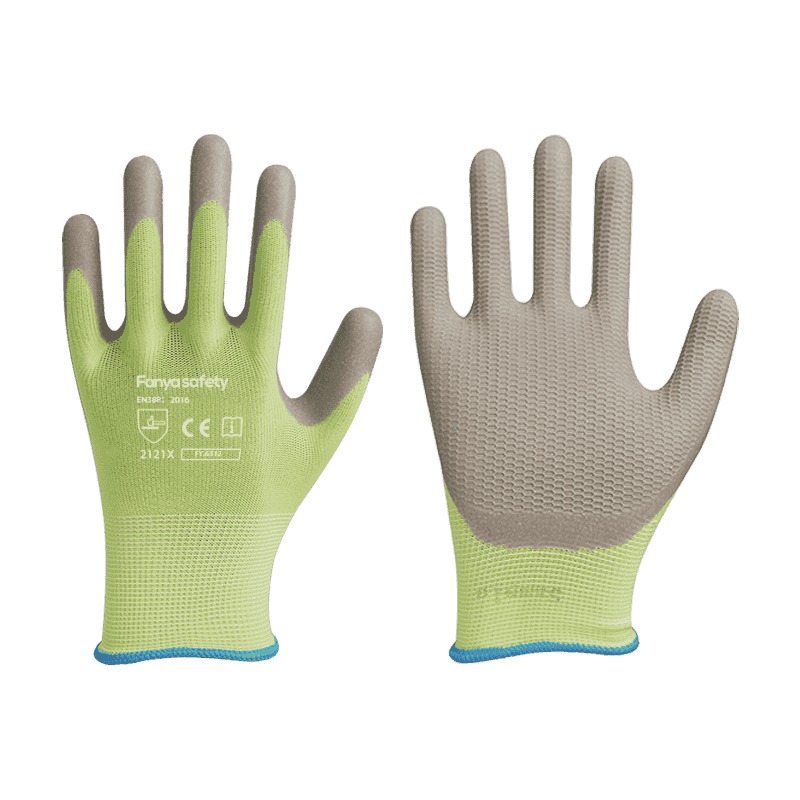
Selecting the right non latex gloves comes down to matching the material properties to the demands of the task. The following factors should guide the decision-making process for procurement teams and individual buyers alike.
If the task involves frequent contact with solvents, fuels, or industrial chemicals, nitrile or neoprene gloves are typically the better choice due to their superior resistance compared to vinyl. For tasks with minimal chemical exposure, such as basic food handling or light cleaning, vinyl gloves provide adequate protection at a lower cost.
For tasks requiring gloves to be worn for extended periods, nitrile gloves tend to be more comfortable due to their elasticity and better fit, which reduces hand fatigue. Vinyl gloves, being looser, can feel bulky during long wear and are generally better suited for quick, short-duration tasks where gloves are changed frequently.
Tasks that require fine motor control, such as electronics assembly, laboratory pipetting, or detailed mechanical work, benefit from the close fit of nitrile or neoprene gloves. Vinyl gloves, with their looser fit, are less suitable when precise grip is essential.
Facilities that go through extremely high volumes of gloves daily, such as large food service operations, may find that vinyl gloves offer the most economical solution for low-risk tasks, while reserving nitrile gloves for higher-risk areas. A tiered glove strategy, using different non latex glove materials for different risk levels, often results in the best balance between cost and protection.
Glove thickness is typically measured in mils, with one mil equal to one-thousandth of an inch. Thicker gloves generally provide better puncture resistance but may reduce tactile sensitivity, so finding the right balance depends on the specific task.
| Thickness Range | Typical Application | Tactile Sensitivity |
|---|---|---|
| 3 to 4 mil | General exams, food handling | High |
| 5 to 6 mil | Cleaning, light automotive work | Moderate |
| 7 to 9 mil | Heavy duty industrial tasks | Lower |
For most everyday tasks, gloves in the 3 to 6 mil range strike a practical balance between protection and feel. Heavier 7 to 9 mil gloves are reserved for jobs involving sharp materials, debris handling, or rougher surfaces where puncture resistance outweighs the need for fine dexterity.
Non latex gloves, particularly nitrile and vinyl, can degrade if stored improperly. Exposure to direct sunlight, high heat, or excessive humidity can cause the material to become brittle or sticky over time, reducing both comfort and protective performance.
Following these simple practices can meaningfully extend the usable shelf life of non latex gloves, which is particularly important for facilities that purchase in bulk and may store gloves for several months before use.
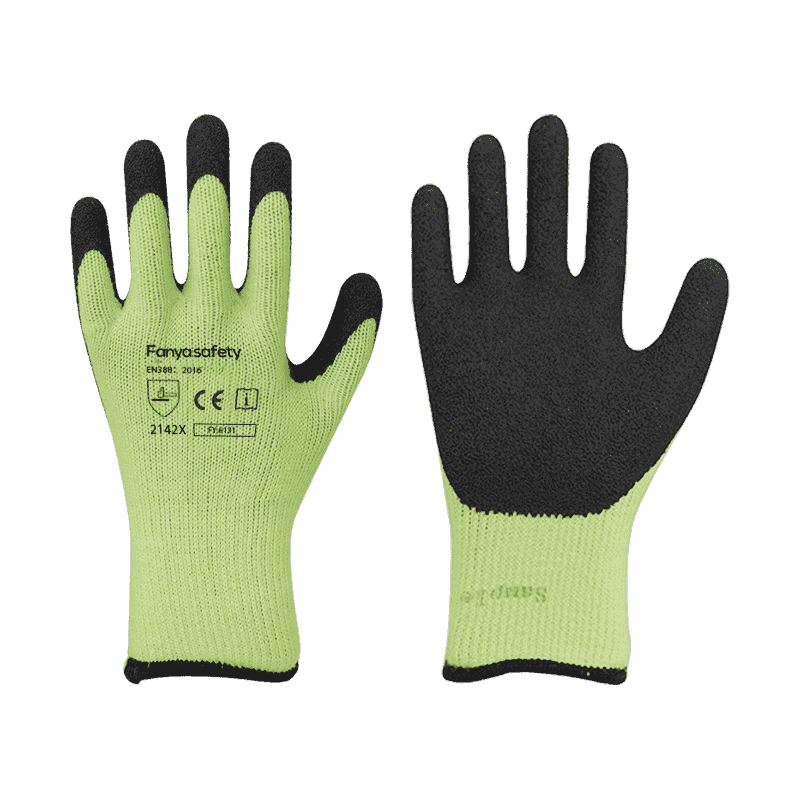
The transition away from latex gloves toward non latex gloves reflects a broader shift in how workplaces think about hand protection: not just as a single-purpose barrier, but as a category of equipment that needs to match specific tasks, chemical exposures, and health considerations. Nitrile remains the most versatile non latex option for most general-purpose needs, vinyl offers a cost-effective solution for low-risk, high-volume tasks, and neoprene fills the gap for specialized chemical handling situations.
For buyers and facility managers evaluating their glove supply, the smartest approach is to map out the range of tasks performed across the workplace, identify where latex allergy risk or chemical exposure is highest, and select non latex glove materials accordingly rather than relying on a single one-size-fits-all product across every department.
Blue Gloves Guide: Cut Resistant Gloves for Every Industry
Are Nitrile Gloves Food Safe? What You Need to Know
Your email address will not be published. Required fields are marked *
You can contact to me using this form.