
 中文简体
中文简体

Product Consultation
Your email address will not be published. Required fields are marked *

Content
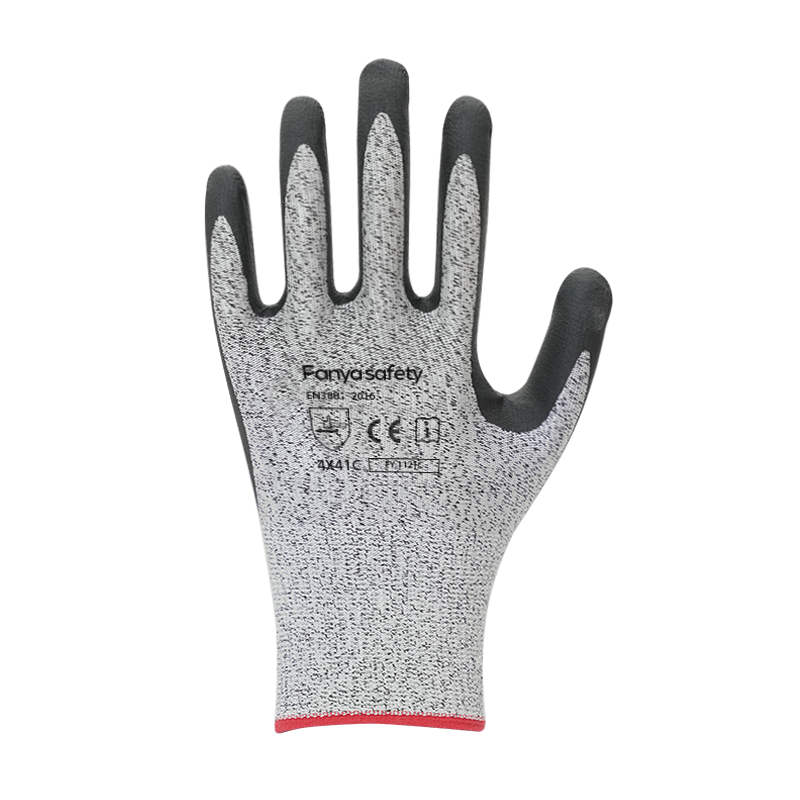
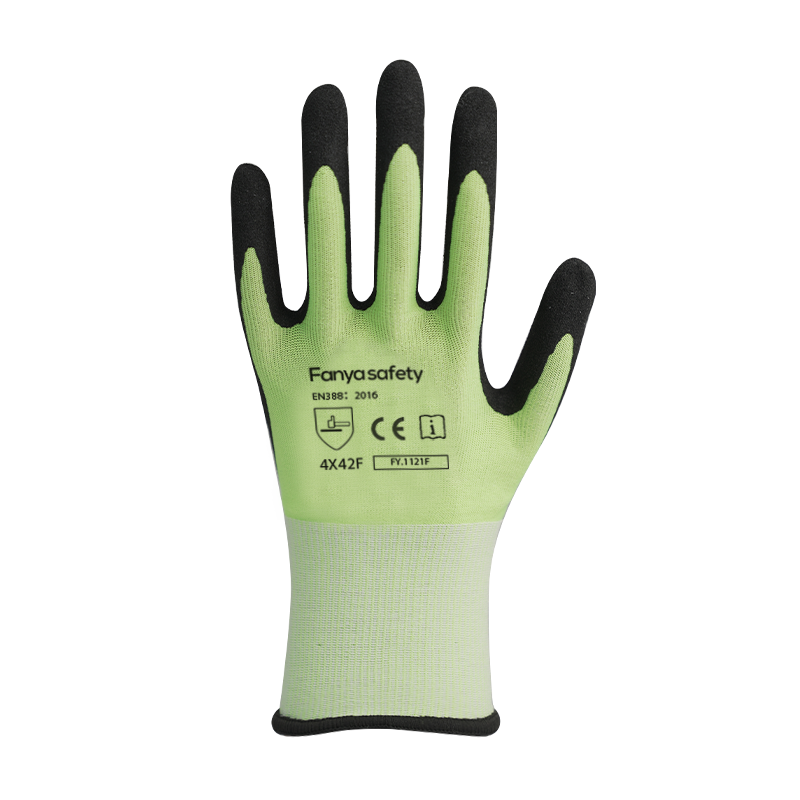
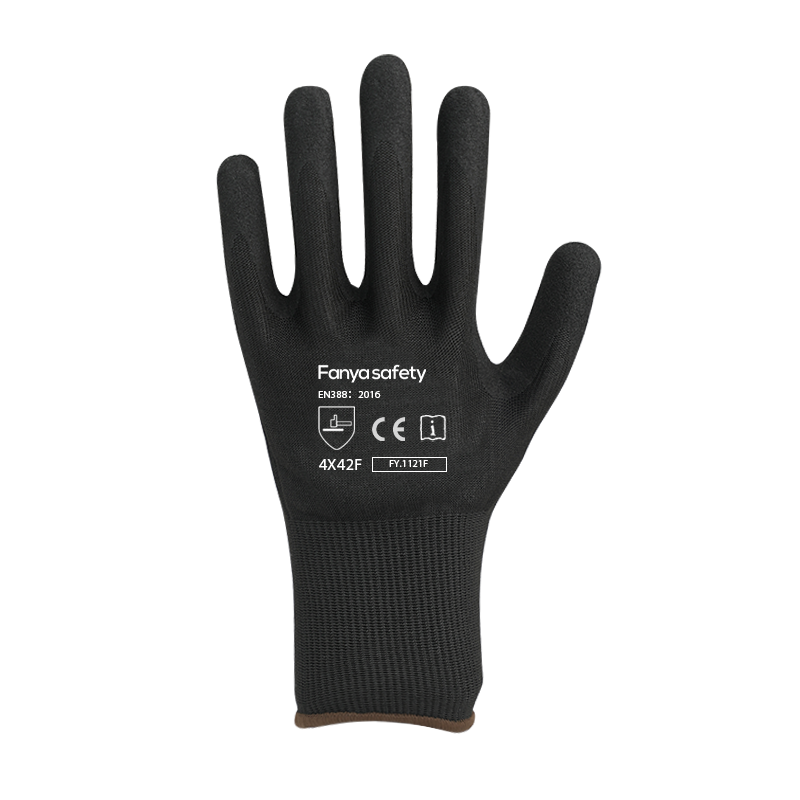
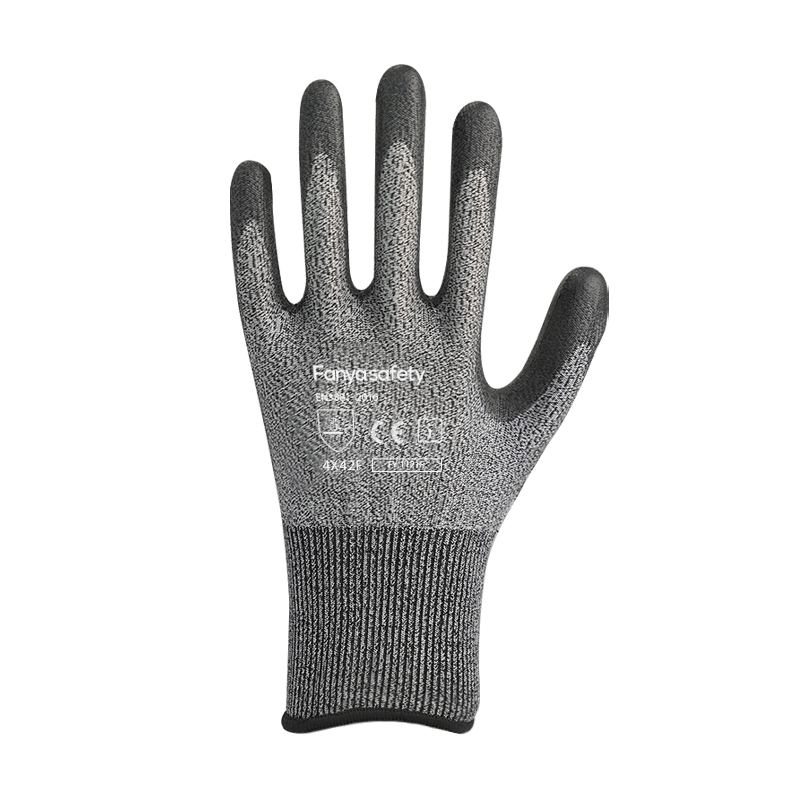
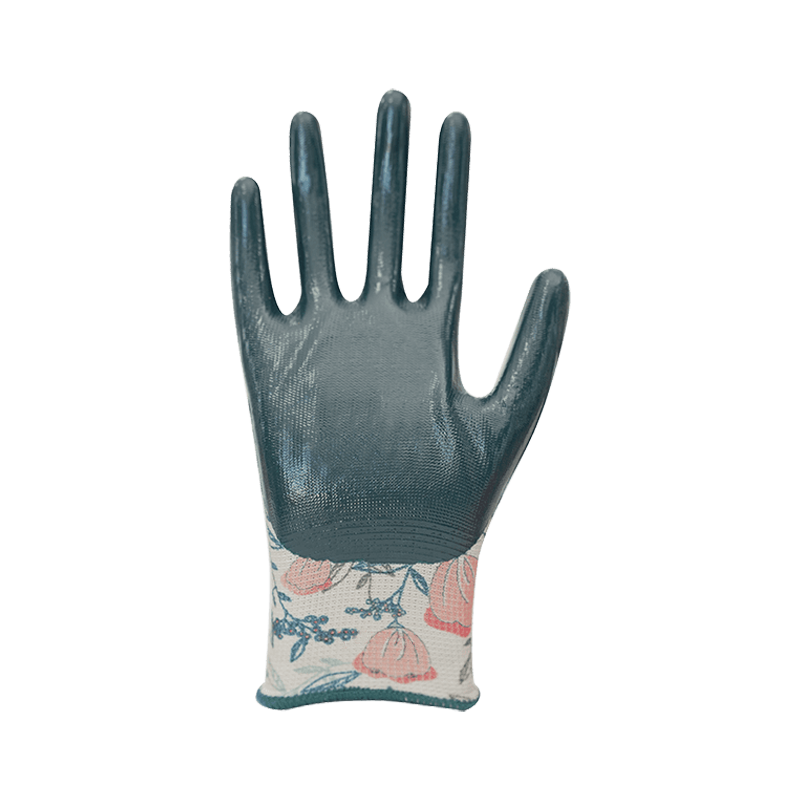
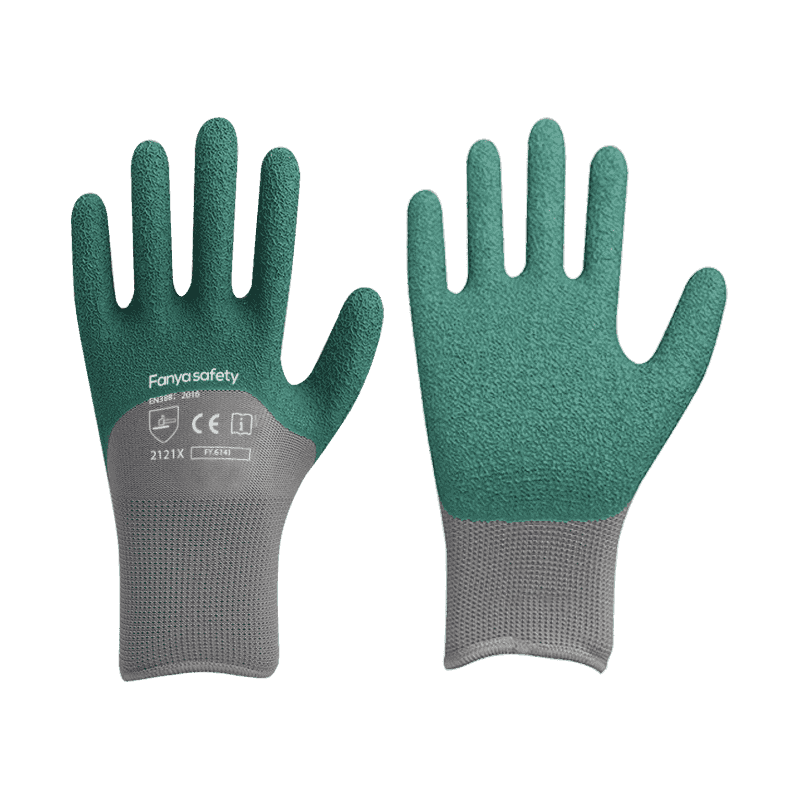
Foam gloves don't mean the entire glove is made of foam; rather, they refer to regular fabric gloves coated with a specially treated layer of rubber or polymer containing tiny pores.
These gloves are very popular on construction sites and in factories because they offer both good feel and protection. Here are some of their features:
This is the biggest selling point of foam gloves.
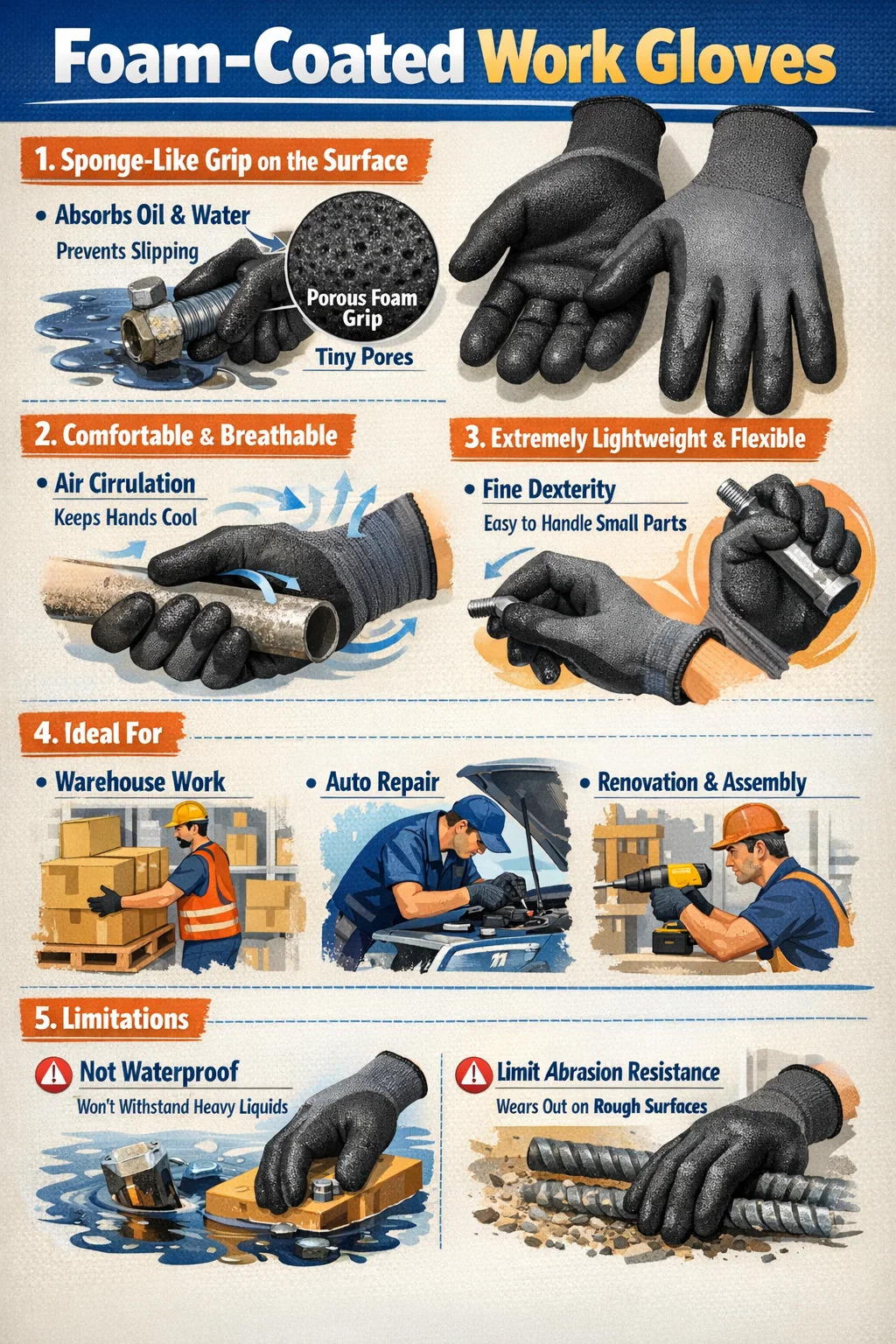
Oil and water absorption: The coating, microscopically, is like a sponge, full of tiny pores. When you're gripping parts covered in oil or water, these small holes absorb the liquid, allowing the glove surface to maintain a firm grip on the object and prevent slipping.
Strong friction: This foamed coating is more resilient than smooth rubber gloves, providing a greater sense of security during work.
Many people dislike wearing work gloves because their hands get sweaty, but these gloves significantly improve this.
Air circulation: Because the coating is "foamed," air can circulate through the tiny pores. Compared to fully enclosed plastic or thick rubber gloves, foam gloves are cooler and prevent hands from becoming sticky.
If you're doing delicate work that requires finger dexterity, these gloves are perfect.
Fine dexterity: These gloves are usually very thin and elastic, perfectly conforming to the curves of your hand. Wearing them, you can easily pick up small screws or operate precision instruments without feeling clumsy.
High flexibility: The coating is very soft, and even with prolonged use and repeated clenching and unclenching of the fist, your hand muscles won't feel tired.
Although they are versatile, they excel in certain areas:
Logistics warehouses: Handling cardboard boxes and packages, the foam coating provides excellent grip.
Automotive repair: When dealing with oily parts, foam gloves provide both oil resistance and a secure grip. Renovation and Assembly: When using power drills and tightening screws, these gloves provide adequate protection without compromising dexterity.
Although useful, foam-coated gloves are not perfect:
Not resistant to heavy liquids: Because they have pores, if you immerse your hands directly into a basin of water or a barrel of oil, the liquid will still slowly seep in.
Limited abrasion resistance: Compared to thick leather work gloves, the foam coating wears out faster when dealing with particularly rough rebar or stones.
Your email address will not be published. Required fields are marked *
You can contact to me using this form.