
 中文简体
中文简体
Product Consultation
Your email address will not be published. Required fields are marked *
Content
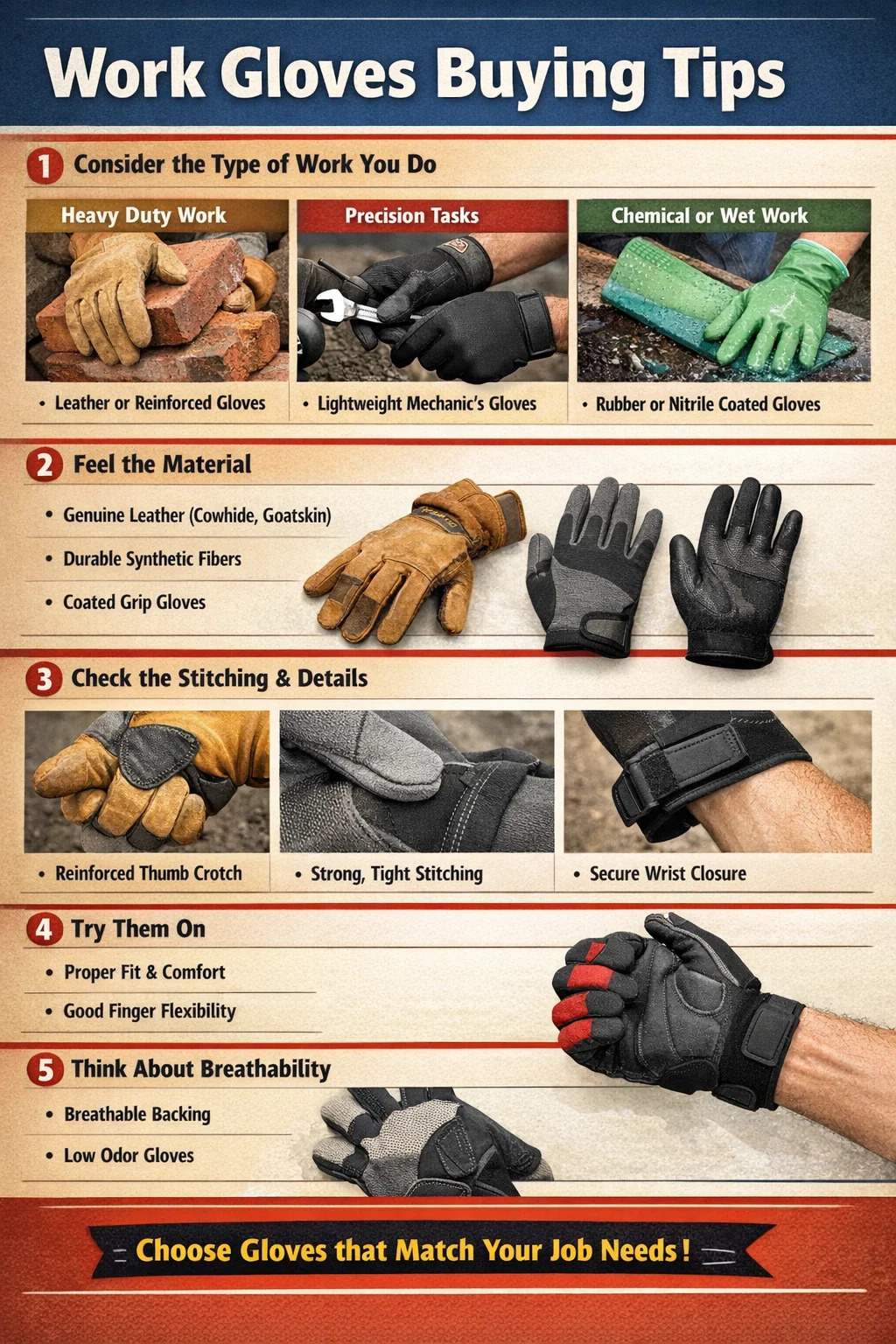
Choosing a truly comfortable and effective pair of work glove is like choosing shoes – you need to consider both durability and comfort. With so many options on the market, it can be overwhelming. To find a pair that protects your hands and lasts, start with these simple tips:
Different jobs require completely different types of work gloves.
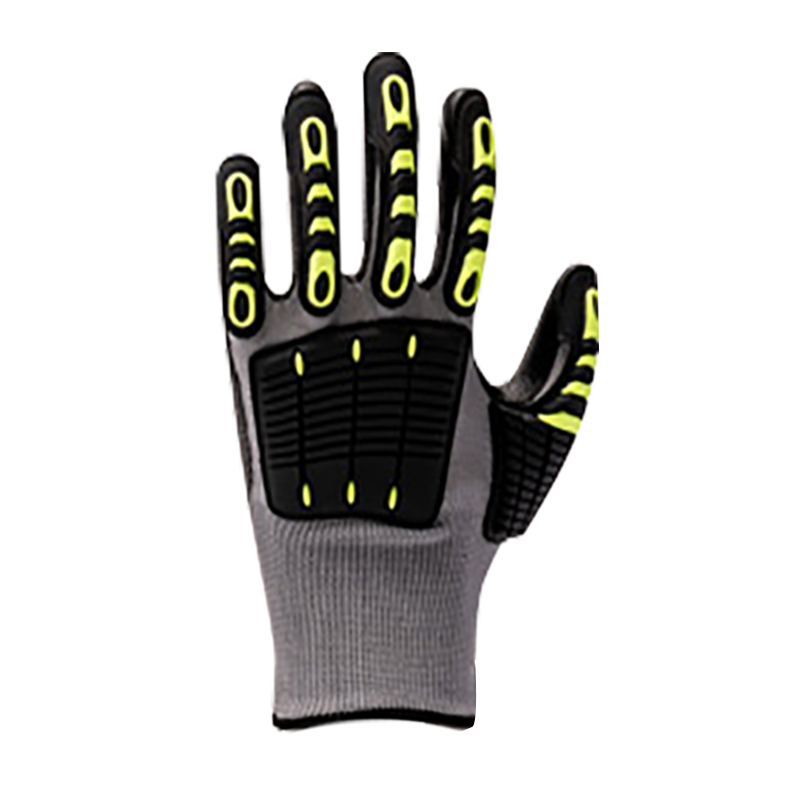
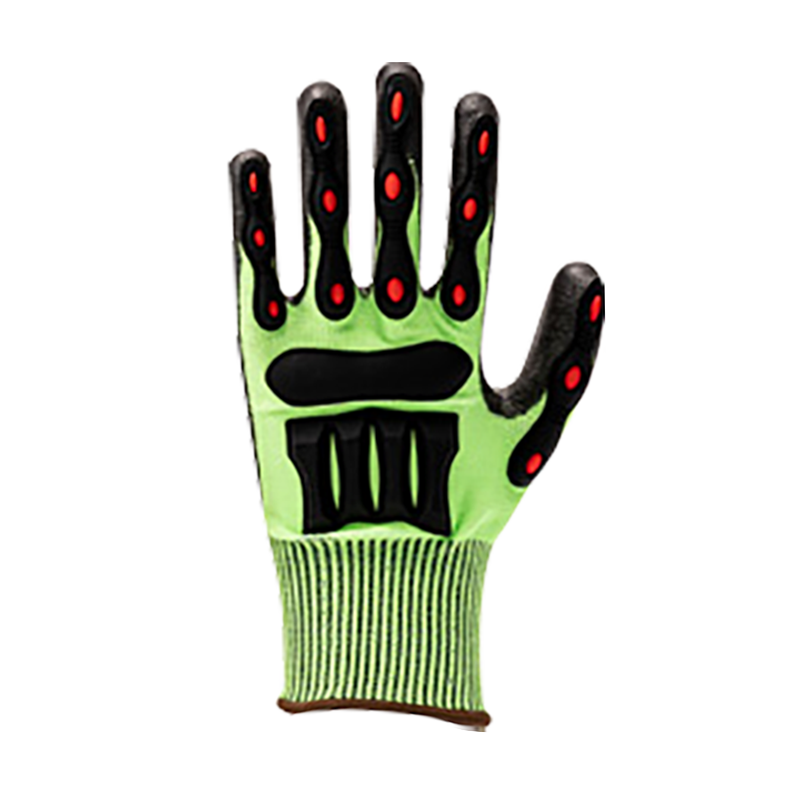
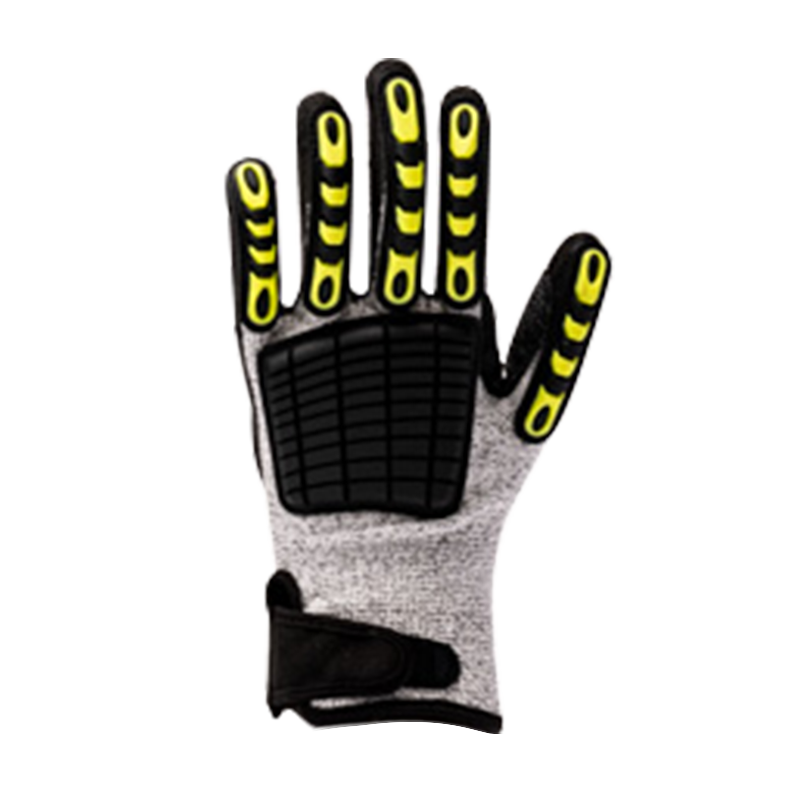
Handling heavy or rough objects: For example, moving bricks, wood, or handling rough stones. In this case, you need thick, durable gloves. Consider genuine leather gloves or those with reinforced palms; these gloves can withstand friction and are less likely to tear.
Fine manipulation or car repair: If you need to tighten small screws or use precision tools, thick gloves will get in the way. Choose close-fitting, lightweight mechanic's gloves, ideally with sensitive fingertips to allow you to feel the force you're applying.
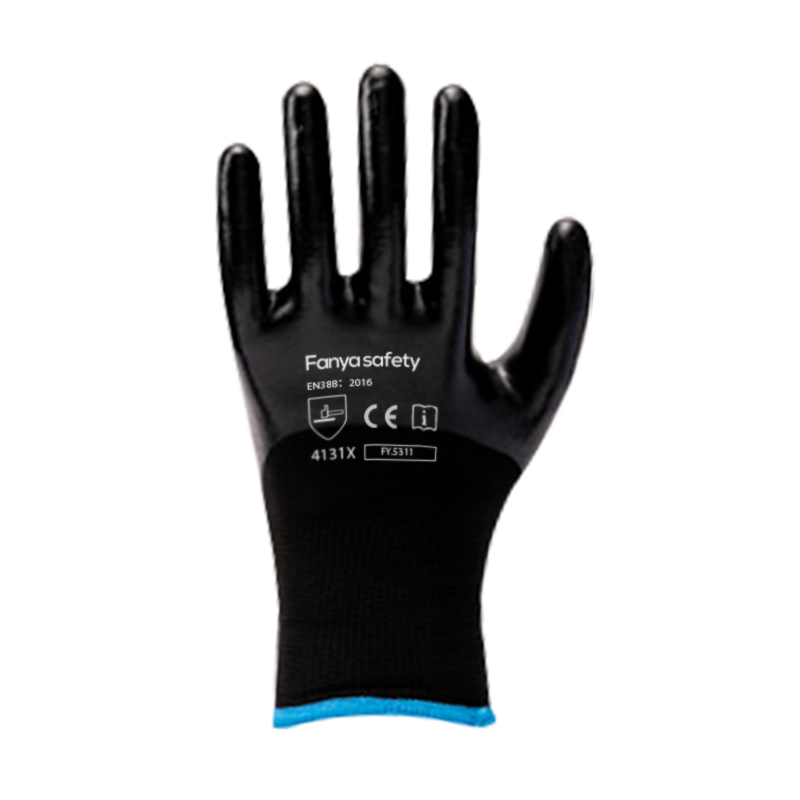
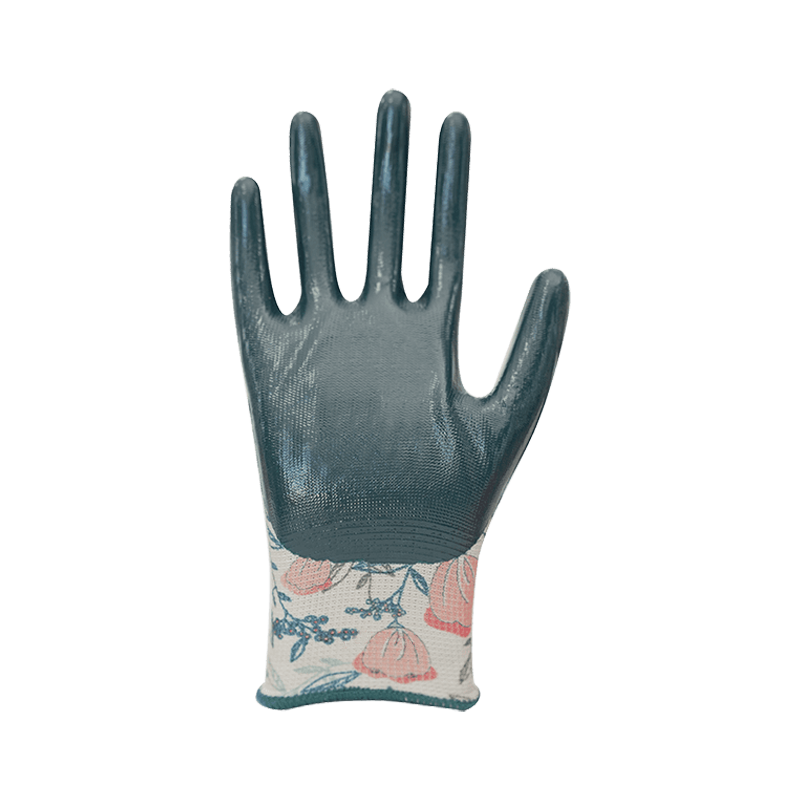
Handling chemicals or wet work: For example, painting, using cleaning agents, or working in muddy conditions. In this case, ordinary cloth gloves will get soaked through. You need work gloves with a coating (such as rubber or nitrile) to block liquids.
The material directly determines how long your work gloves will last.
Genuine leather (cowhide, pigskin, goatskin): Cowhide is the strongest, suitable for heavy-duty work; goatskin is softer, suitable for jobs requiring both durability and flexibility. The advantage of leather gloves is that they become more comfortable with use.
Synthetic fibers: Many high-tech fibers are very strong, appearing thin but having excellent tear resistance and breathability, preventing sweaty hands during prolonged work.
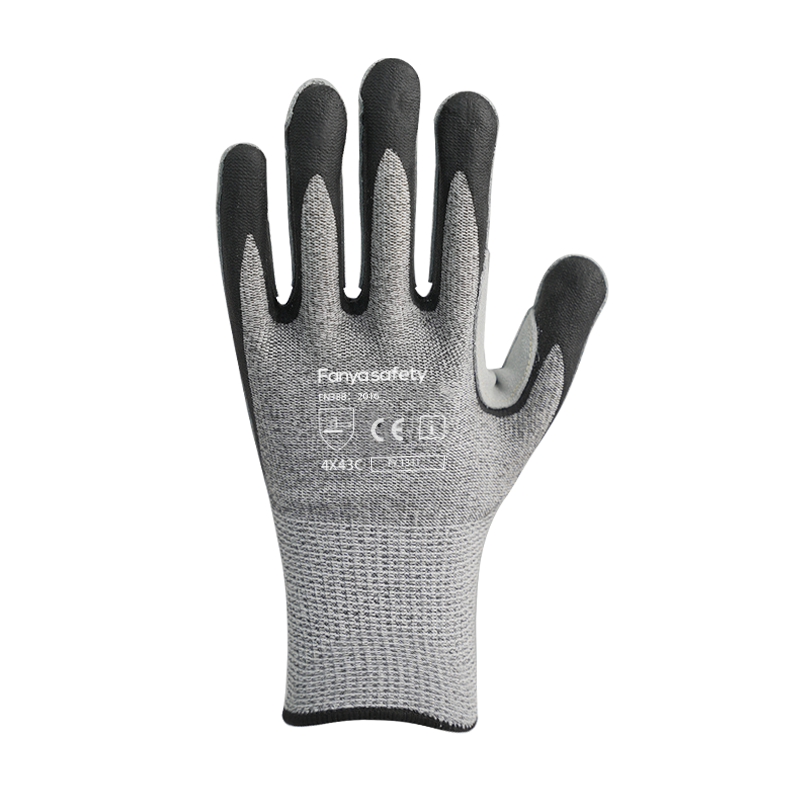
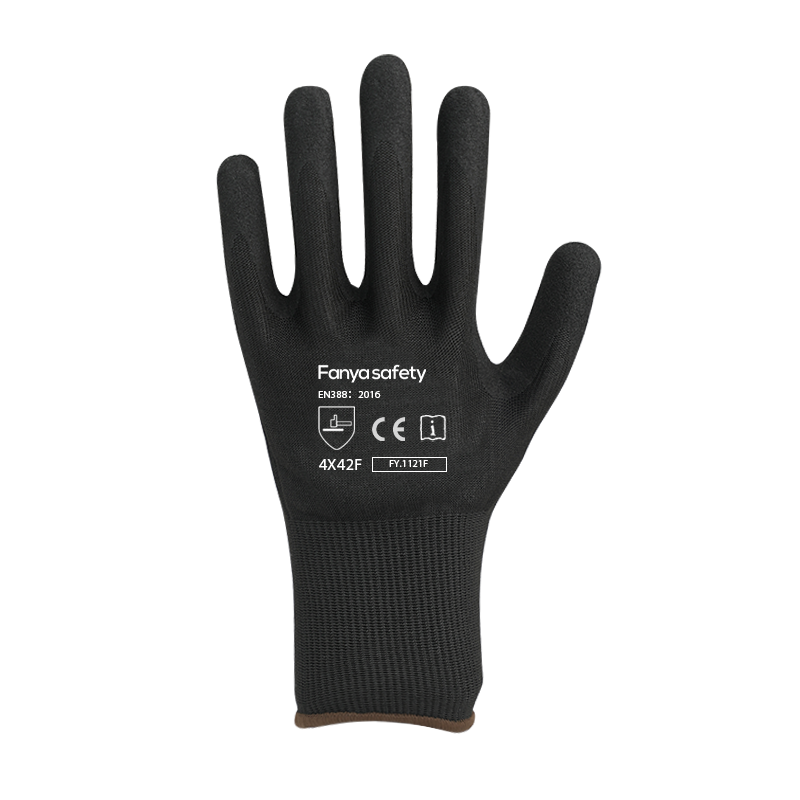
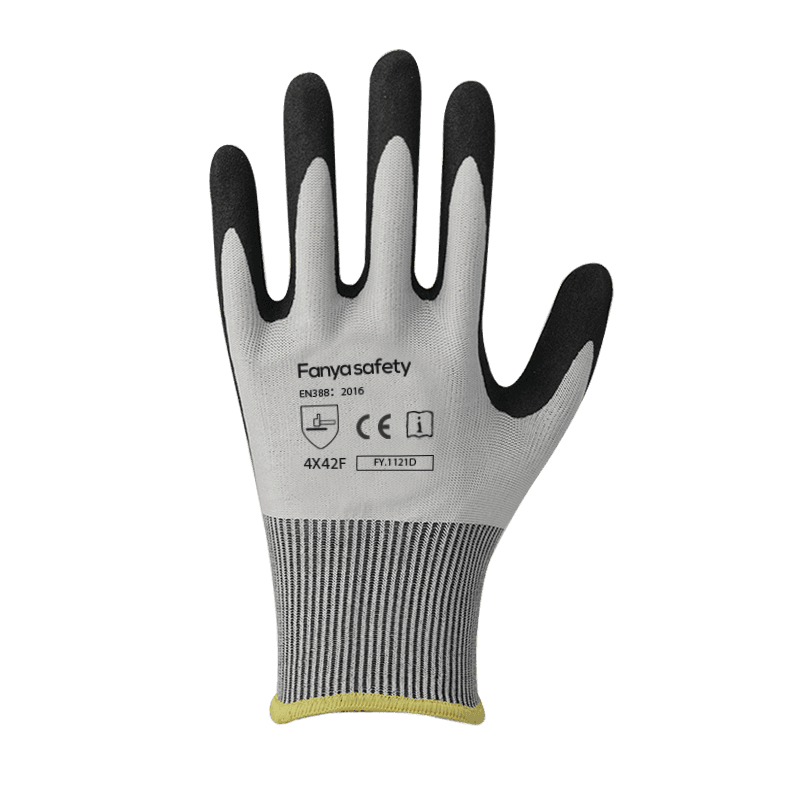
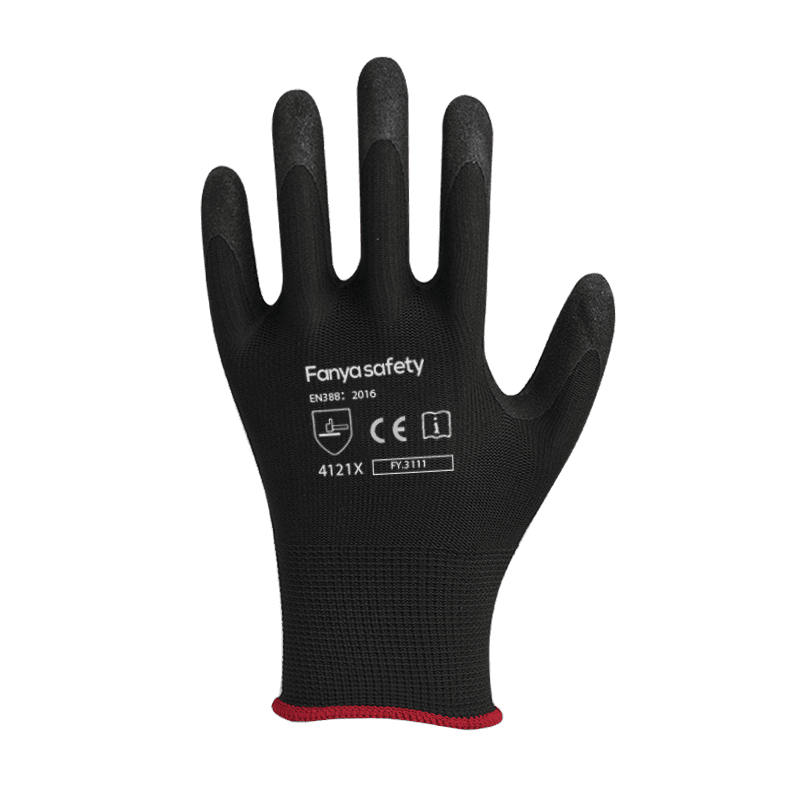
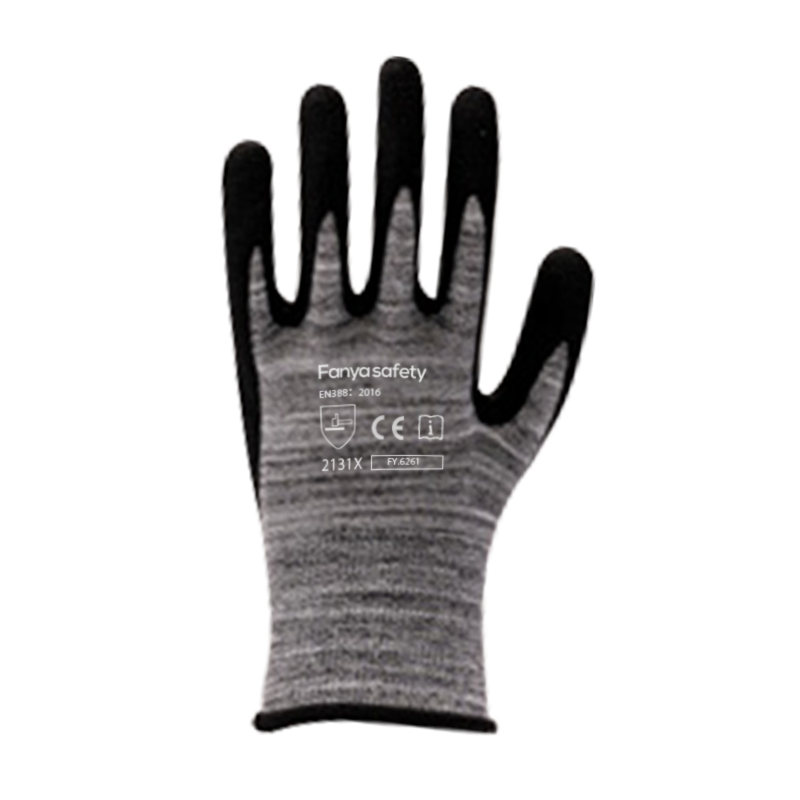
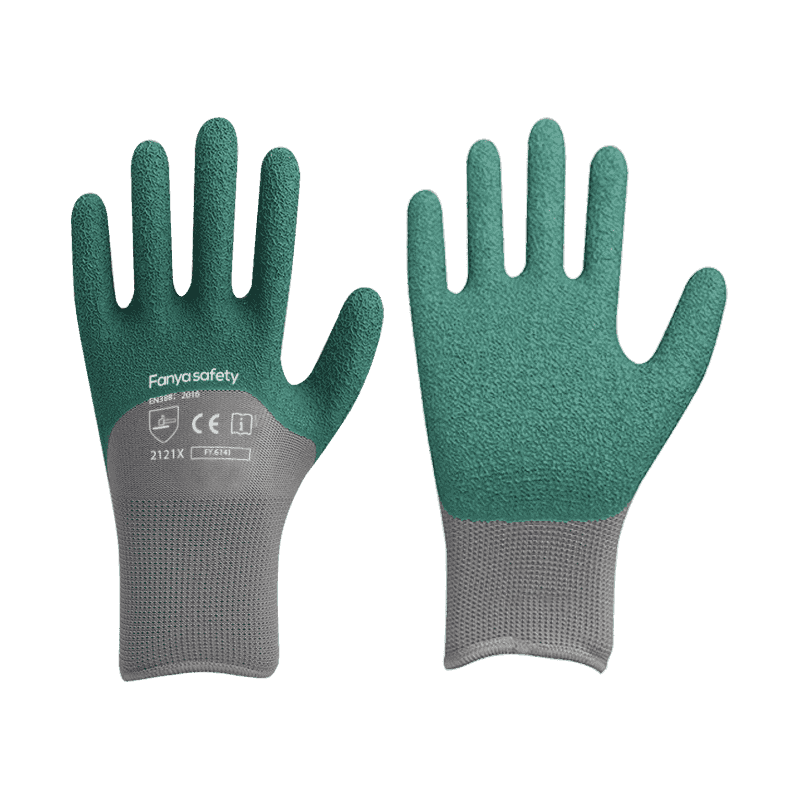
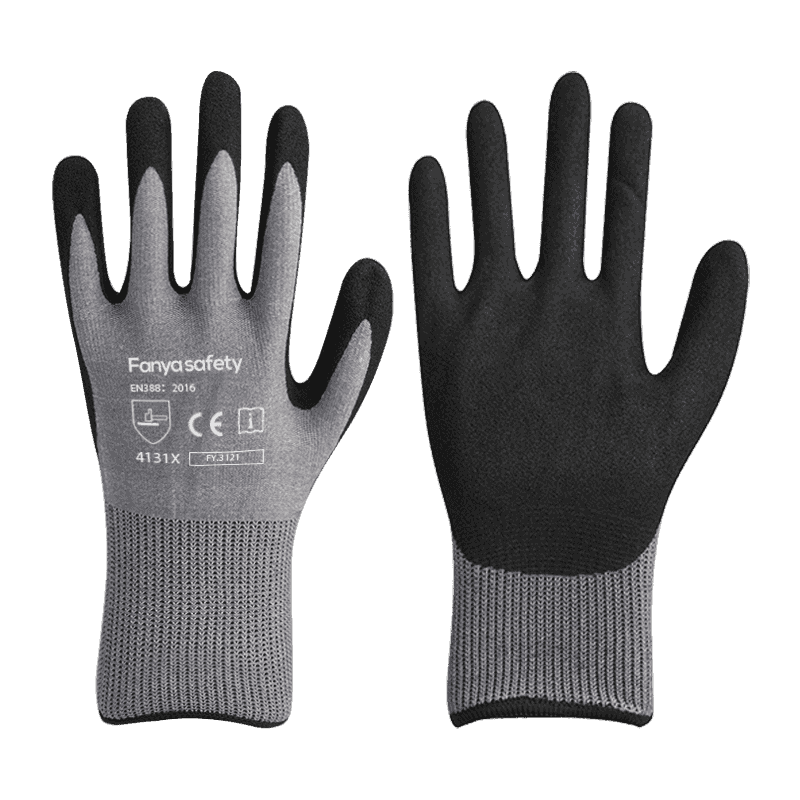
Coated gloves: These are gloves with a layer of coating on the palm. These gloves offer excellent grip, preventing slippage, and are usually quite affordable.
Details determine whether your work gloves will fail you at a crucial moment.
The thumb crotch area: This is the area where gloves are most likely to tear. Good gloves will have an extra layer of leather or a reinforced seam at the base of the thumb (where the thumb and index finger connect).
Stitching quality: Check the number of loose threads and the density of the stitching. If the stitching is loose, your fingers might poke through after only a few days of use.
Wrist tightness: It's best to choose gloves with Velcro or elastic closures at the wrist. This prevents sawdust, sand, or dirt from getting inside the gloves while you're working, and makes them more secure.
Don't just rely on the size chart; if possible, always try them on.
Fit: When you clench your fist, the gloves shouldn't feel uncomfortably tight; when you straighten your hand, there shouldn't be a large gap at the fingertips. Gloves that are too big make work difficult, and gloves that are too small will tire your hands easily.
Joint flexibility: Try performing a few gripping and pinching motions. If the gloves are stiff like cardboard, your hands will ache after working for a while.
If you need to wear work gloves for extended periods, breathability is very important.
If the back of the hand is made of mesh or breathable fabric, your hands will stay much cooler while working.
Also, smell the gloves to see if they have a strong chemical odor. A strong odor might indicate the use of low-quality dyes or adhesives, which is not good for prolonged skin contact.
Are work gloves supposed to be tight? Do you know?
Where can you buy work gloves that actually last and don't cost a fortune? A buying guide.
Your email address will not be published. Required fields are marked *
You can contact to me using this form.